Pyroplane
The marketing workspace for life-science teams. I designed and built the product and its website, and I run its marketing.
Founder
Role
Background
Pyroplane is the marketing workspace for life-science teams. It brings events, content and approvals into one place, so a small team can plan, review and publish without losing the thread.
It is built for commercial-stage companies in research tools, diagnostics, CRO and CDMO services and lab software, where marketing is a team of two to eight people and conferences are the main channel. In these teams the conference list is a spreadsheet, the source papers sit in a shared drive, and the feedback is in Teams or someone’s inbox.
I designed and built Pyroplane with AI-assisted development, from the interface to the infrastructure, and I run its positioning, pricing, website and go-to-market.
Plan, create, review
Plan
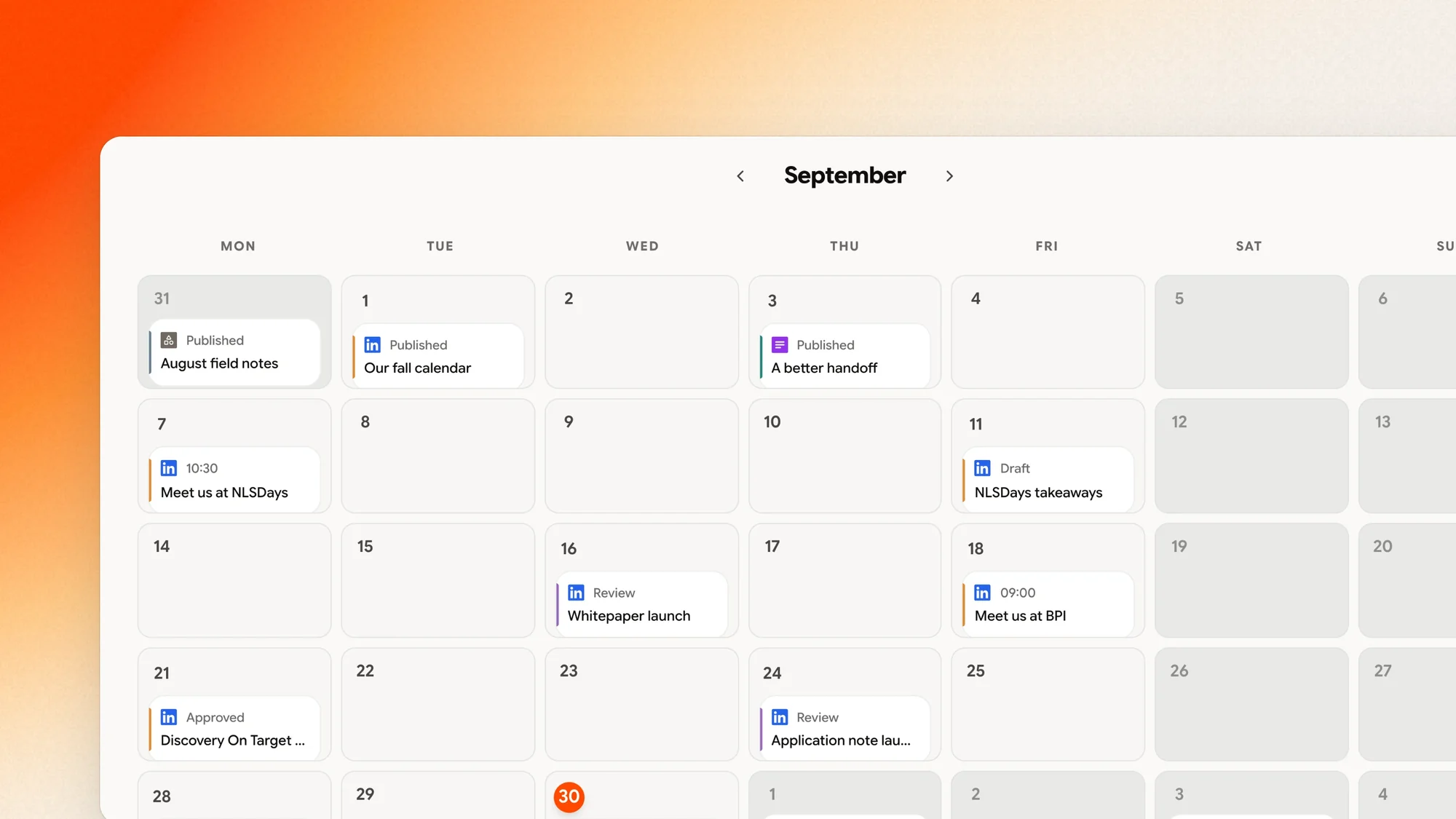
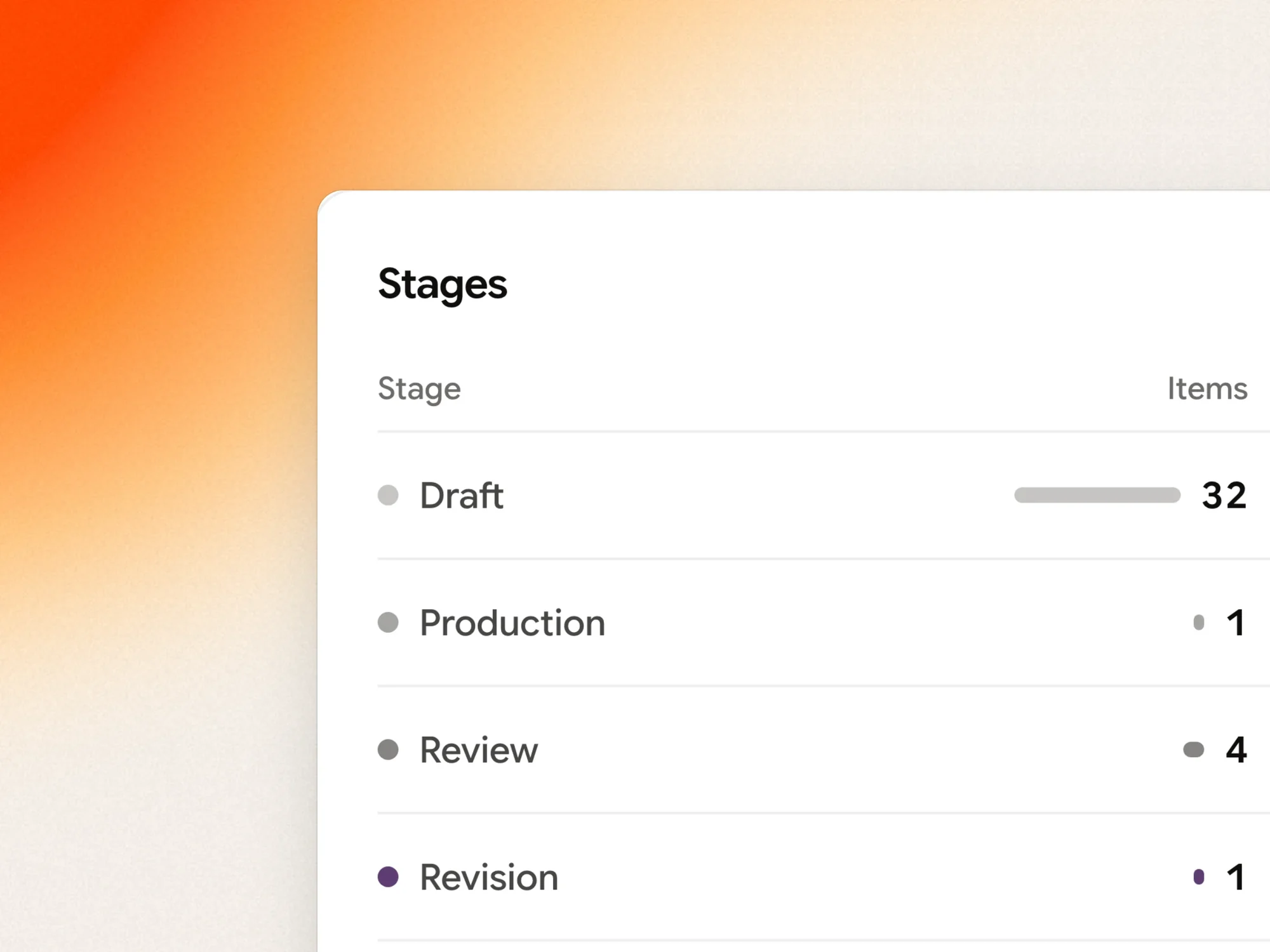
Every post, launch and conference sits on one calendar with an owner and a date. The Board view shows what is in draft, in production and waiting on review.
Create
Drafts are written with the brief and the source paper attached. First Draft writes a starting version from the team’s notes, following writing instructions set per category, such as application notes or event posts. A person edits everything before it goes out.
Review
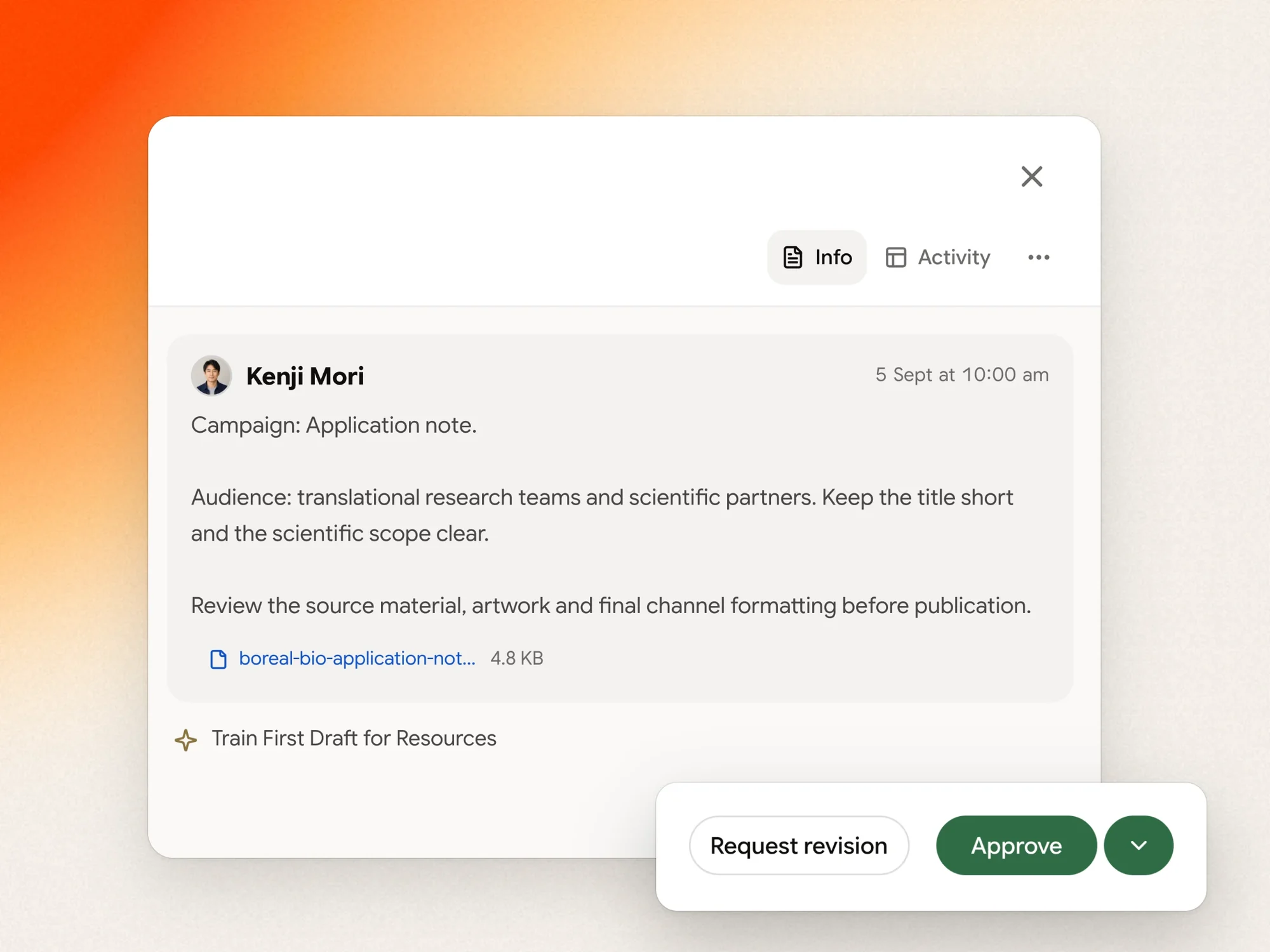
A scientist comments on the exact sentence, the writer fixes it, and the scientist approves. Roles follow responsibility: creators write, reviewers comment and approvers sign off, so colleagues outside marketing can take part.
Around the content
Industry Events
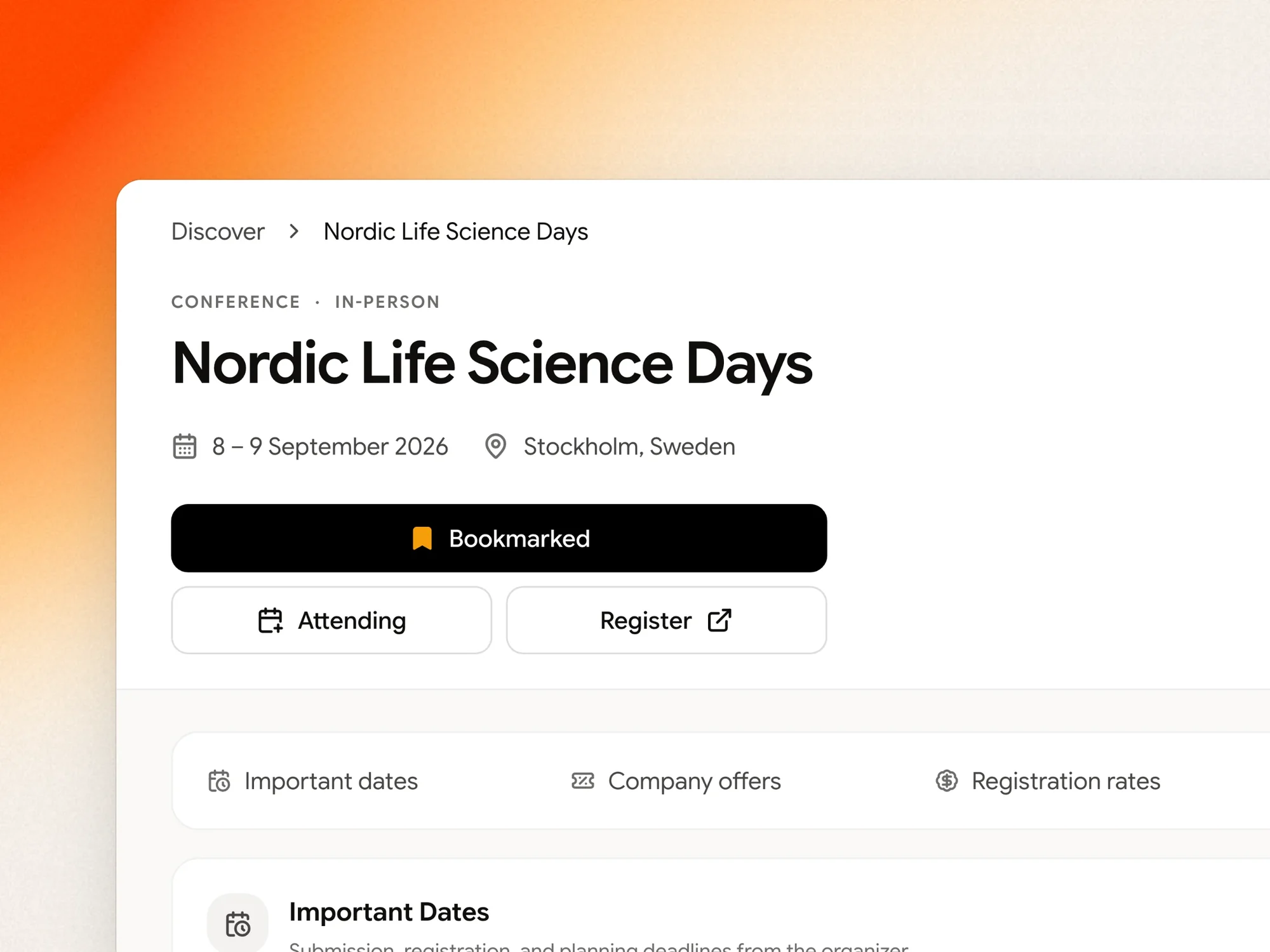
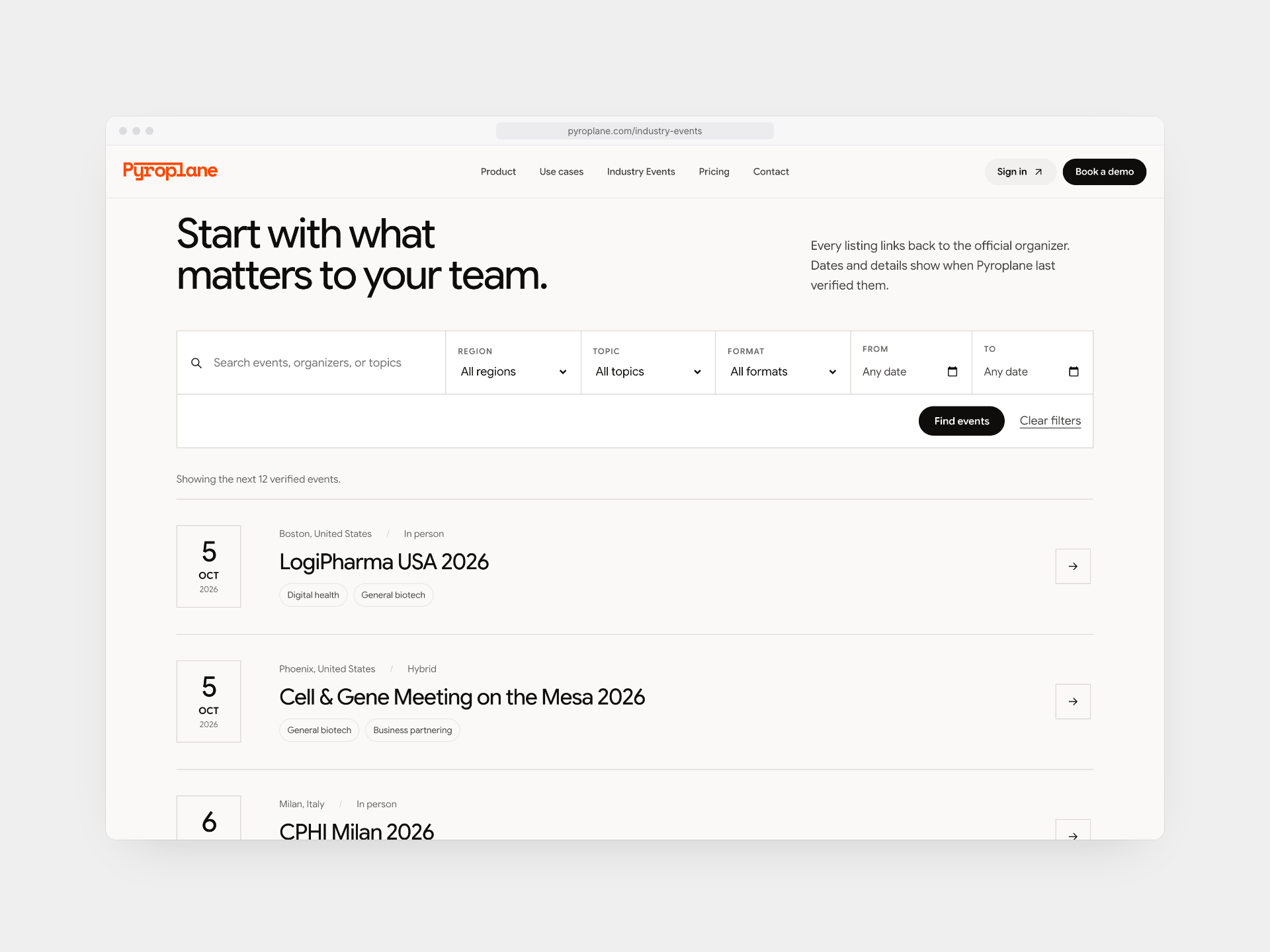
A verified directory of life-science conferences, searchable by topic and region. Teams bookmark events, mark who is going, and link the invitation, announcement and recap to each one.
Brand Radar and ideas
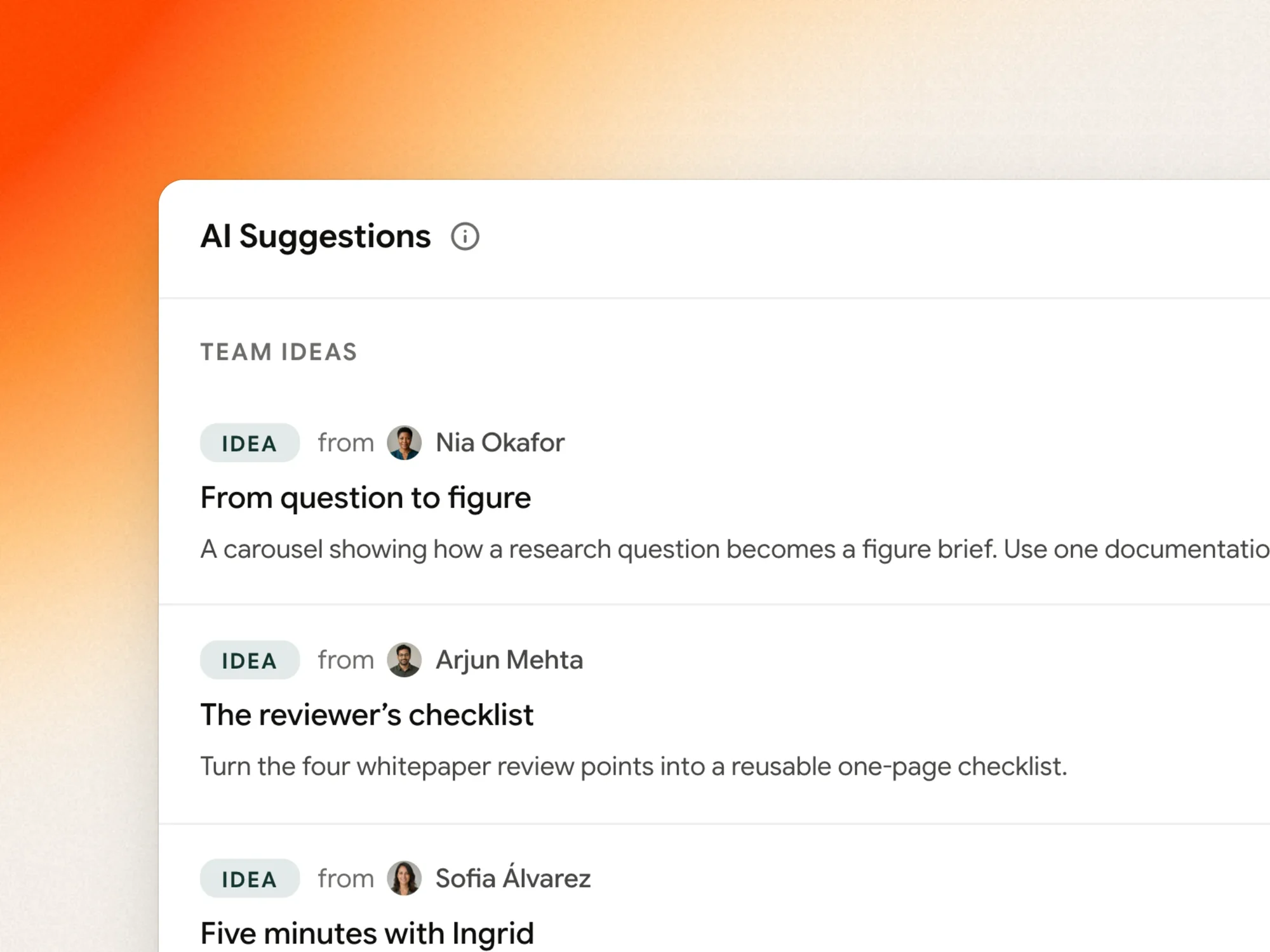
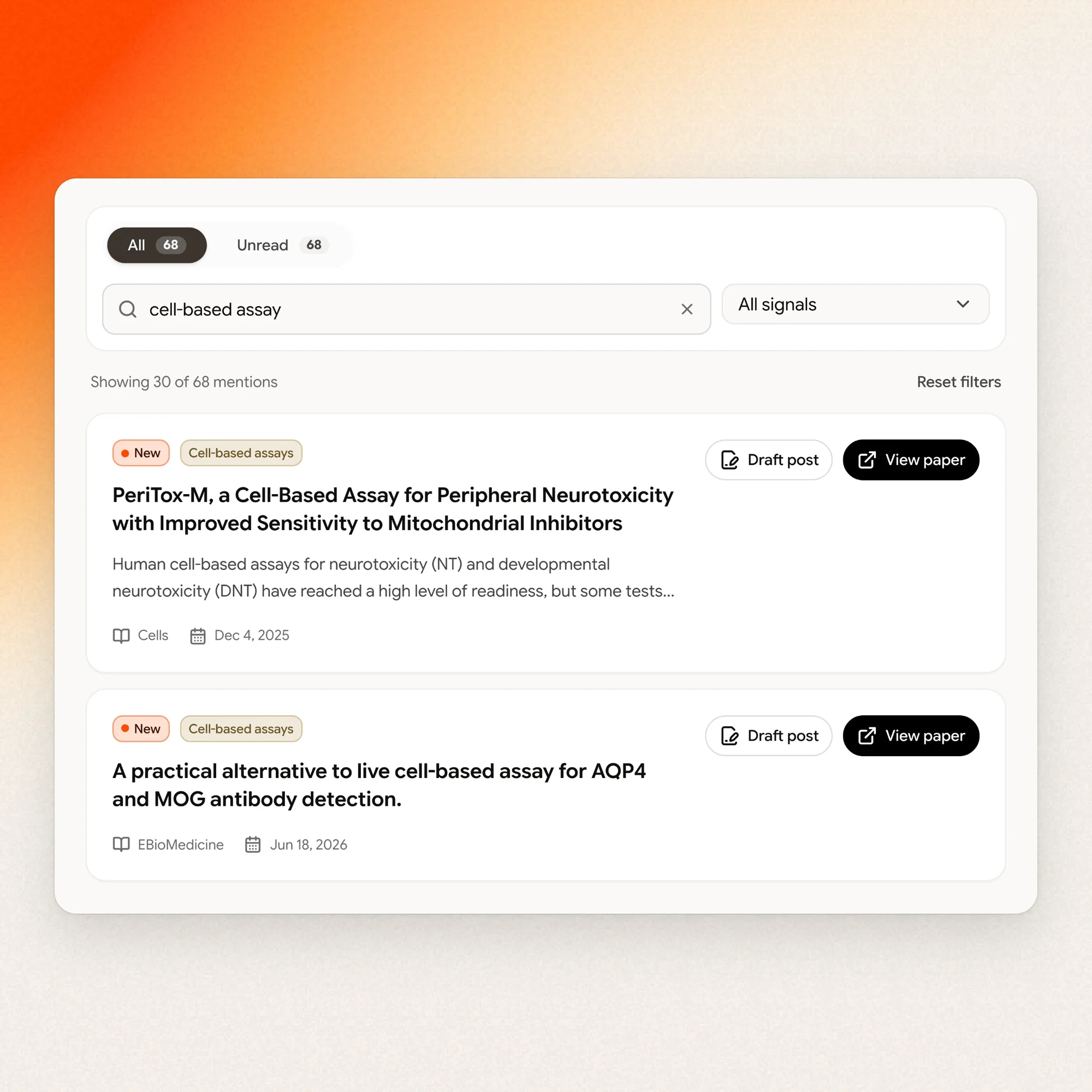
Brand Radar watches new publications for a company’s products, methods and topics, and turns the papers worth sharing into drafts. Colleagues add ideas as they have them, and AI Suggestions brings up the ones that fit what is coming.
Asset library and analytics
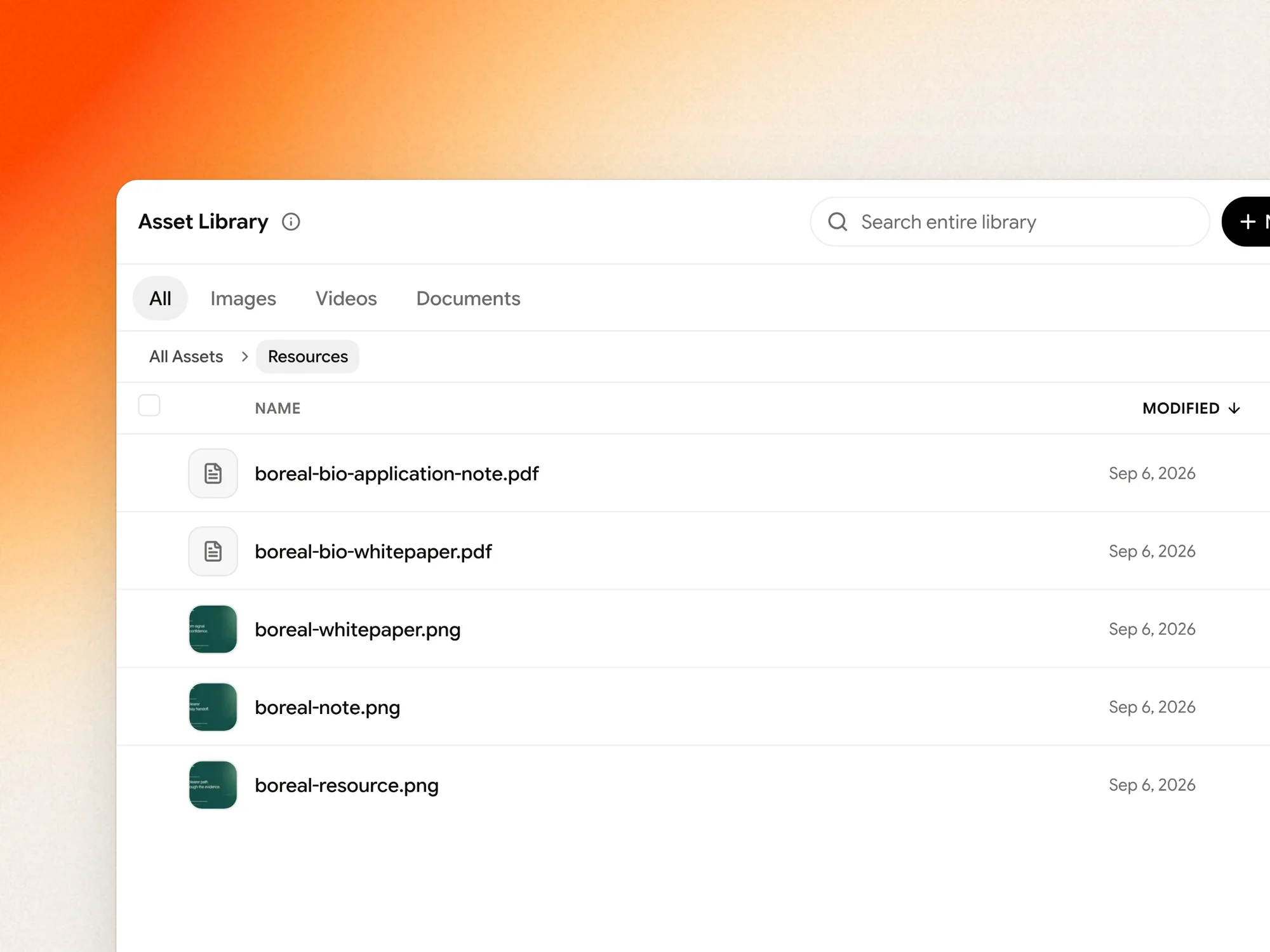
One library for papers, slides and images, with uploads from a phone on the conference floor. Workflow analytics show how much went out, how long drafts sat in review, and how many rounds approval took.
Product decisions
Keep publishing where teams publish
Pyroplane does not post to channels. Teams publish as they do today, paste the live link, and the date and channel are saved with the post. The product stays focused on planning, writing and review.
Keep review light
Review is a small team keeping track of its own work: a comment on a sentence, a request for changes, an approval. It does not try to replace a formal compliance process.
Use AI for starting points
First Draft and Brand Radar produce drafts and leads to follow up. People decide what is published.
One plan, every feature
A single plan with every feature included, so there are no tiers to compare and colleagues can be invited as reviewers.
The website
Category and problem first
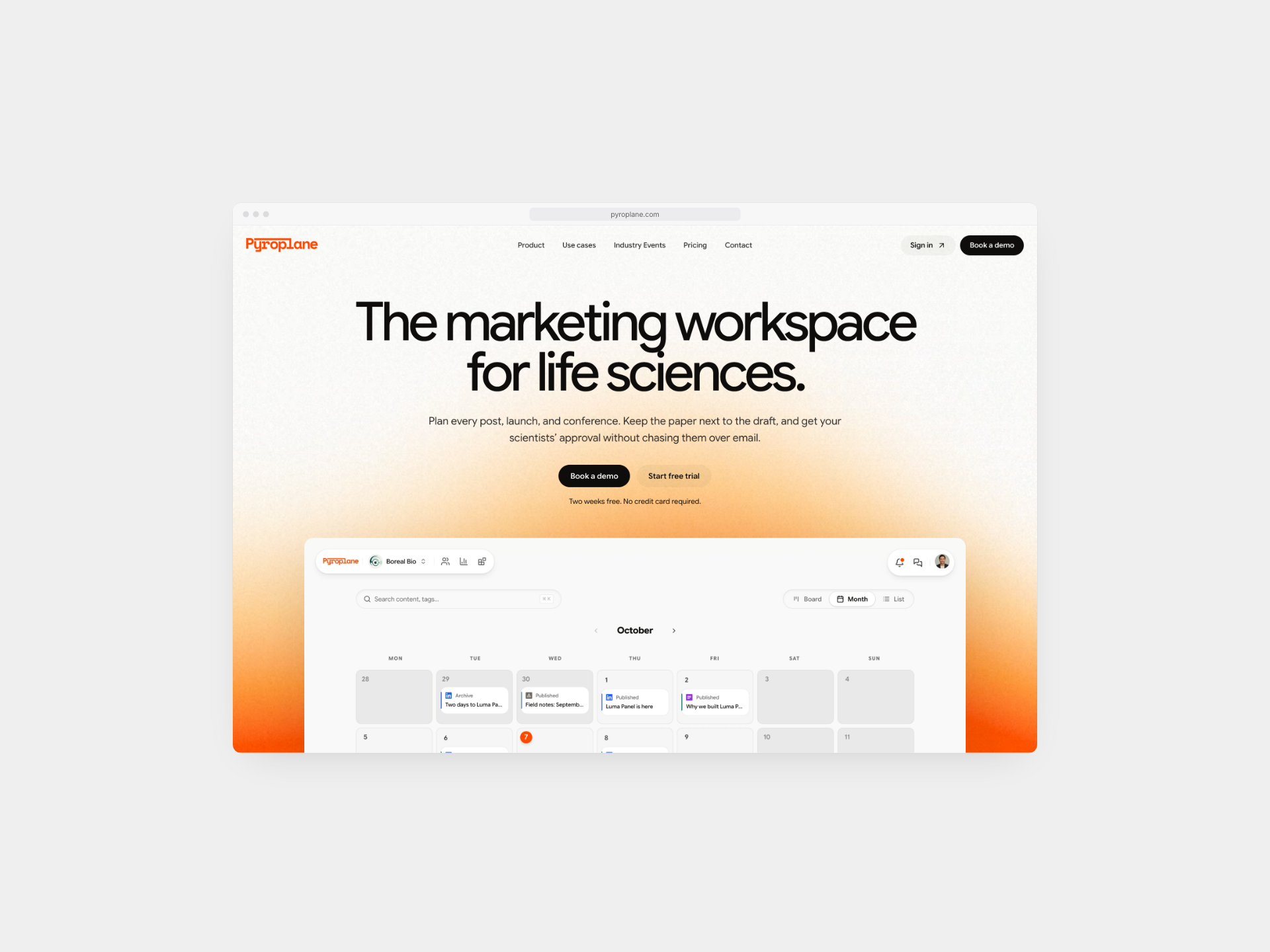
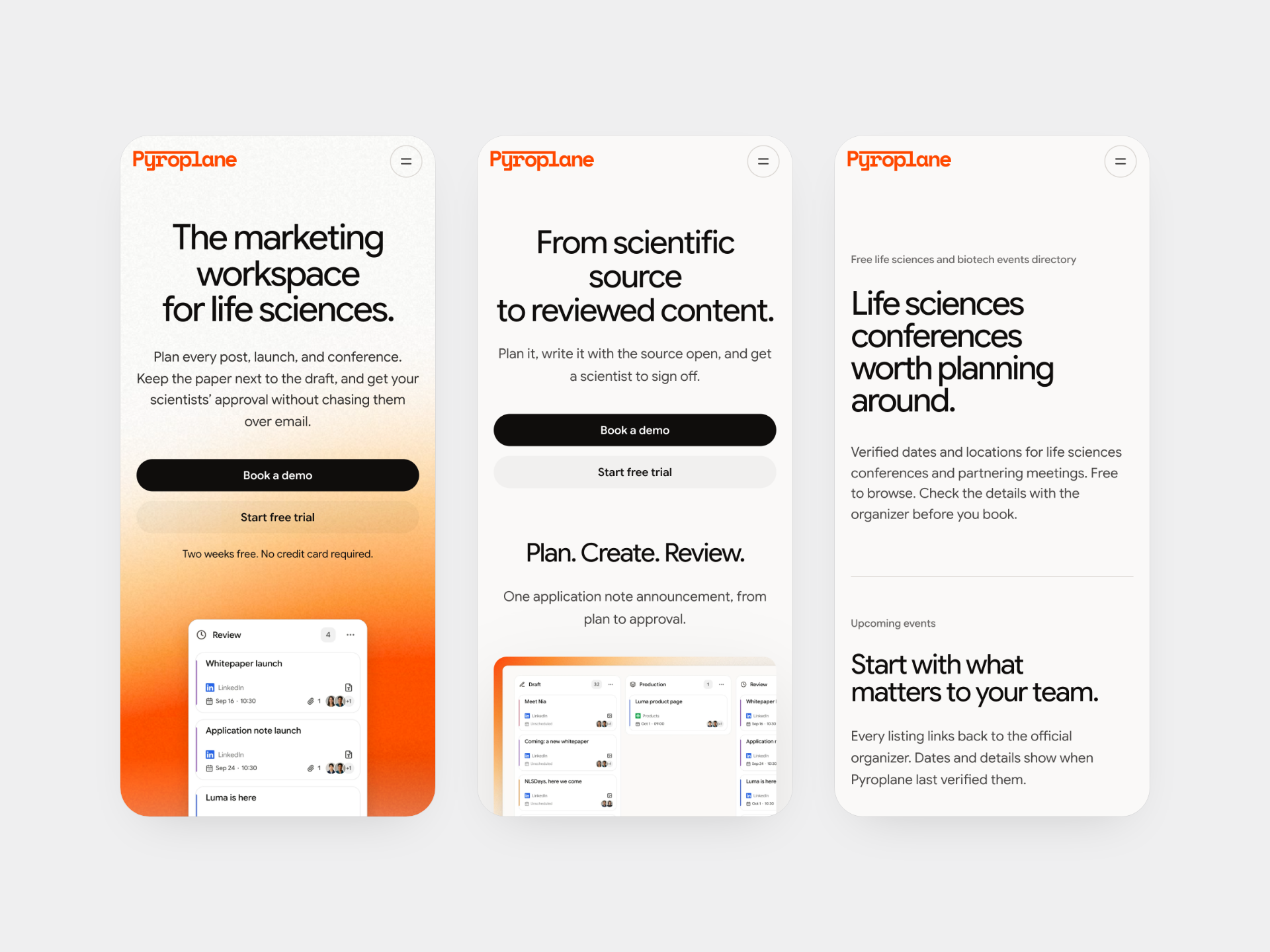
The site leads with the category, the marketing workspace for life sciences, and then with the problem: a calendar shows only half the work when the conference list, the papers and the feedback live somewhere else.
The real product on every page
The homepage opens on an interactive calendar, and every visual is the app itself, captured from a demo team with fictional data. Visitors see the interface they would use.
Written for each type of company
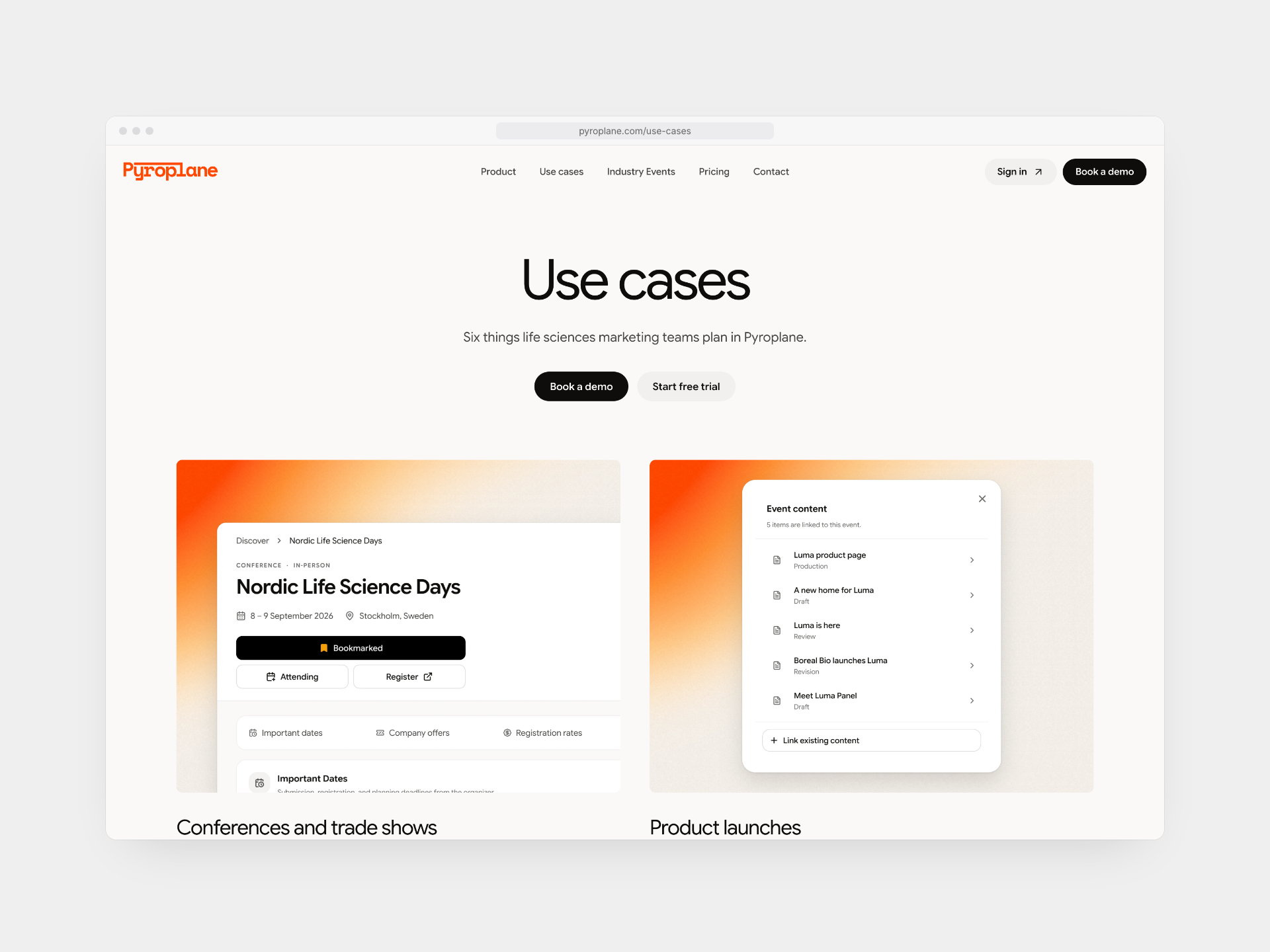
Use cases are organised by what teams plan (conferences, launches, application notes, webinars, articles and social posts) and by company type, so a diagnostics or CRO marketer finds their own work described.
Industry Events as a public entry point
The conference directory is free to browse and built from the app’s own catalogue. It is useful without an account, it is built to be found by people planning their conference year, and it leads into the product.
Tools
Figma
Claude Code
React
Supabase
Stripe
Vercel
Conclusion
Pyroplane gives small life-science marketing teams one place to plan their conferences and content, keep the source next to the draft, and get scientific approval without chasing email.
I built it end to end: the product design, the app and its infrastructure, the pricing, the website and the copy. The product and the way it is marketed describe the same customer and the same work.